




The alternative
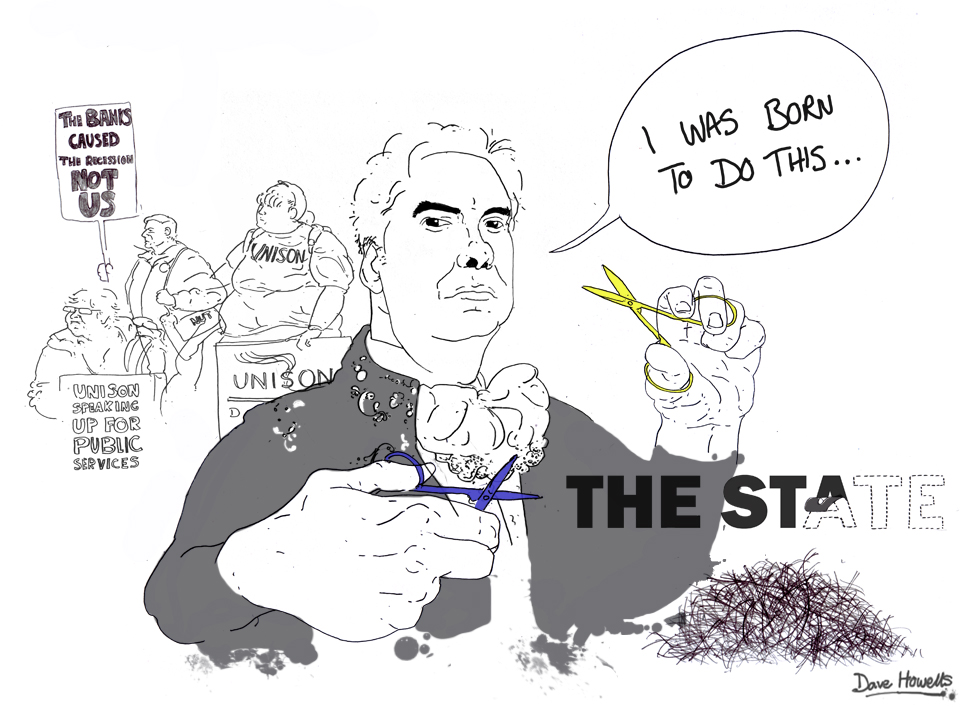
Prime Minister David Cameron pursues his plan to fix the battered British economy with austerity, his main foil in the debate over how deeply to cut government spending will be Ed Miliband, the young, untested leader of the opposition Labour Party. Mr. Miliband is an unlikely standard-bearer in the global debate over how best to pull nations out of economic doldrums. One of the loudest arguments in that debate came Wednesday, when the U.K. laid out £81 billion ($127 billion) in budget cuts over the next four years—the latest European government to demonstrate a belief that recovery will be built on austerity measures and a balanced budget.Mr. Miliband is among those counter-arguing that slashing spending will sap demand and forestall a fragile economic recovery. “This is a global economic battle and people will be citing the U.K. around the world. So Ed Miliband has to stand up and say, ‘There is an alternative”‘ to steep cuts, said Joseph Stiglitz, a Columbia University professor and winner of the Nobel Prize for economics. But Mr. Miliband may disappoint anyone expecting him to fully torpedo Mr. Cameron’s plan. Unlike the Obama administration in the U.S., which continues to look at ways to prime the economy with government intervention, Mr. Miliband has less room to take such a position. – Wall Street Journal
In an outline of the basic foundations of the party’s alternative to the coalition’s record £83 billion in spending cuts, Mr Johnson said investment would be a more effective way of reducing the £155 billion national deficit and producing economic growth. Radical plans to make banks pay a £7.5 billion levy towards a “push for growth” are contained in the broad strategy. It was the first time since the 2009 Budget that Labour’s official policy has focused on investment as part of the solution to the current crisis. Mr Johnson accused the Government of “taking a huge gamble with growth and jobs” but in a radio interview said that the threat of a “double-dip” recession may yet be averted. – Tribune
Broken Promises
Both Mr Cameron and Mr Clegg ate humble pie before the audience. Mr Cameron acknowledged that he had gone back on an election pledge not to cut child benefit. “I had to eat those words. But is it right to go on asking people on £15,000, £20,000 or £25,000 a year to keep paying so that Nick and me and [Labour leader] Ed Miliband can go on getting child benefit?” On the decision to sharply increase tuition fees for university students from 2012, when they will double in most cases and, perhaps, more than double, Mr Clegg, whose party has longed wanted their abolition, said: “It’s one of the most difficult things I’ve ever had to do – to own up to pledging things I now feel I cannot deliver.” In a bid to shore up support among Liberal Democrat MPs and supporters, Danny Alexander, the party’s chief secretary to the treasury, wrote to party members, saying: “We have made the tougher choice, no doubt, but we should be proud of the way we have taken responsibility and we have done the right thing.” – Irish Times
David Cameron and Nick Clegg today expressed regret for breaking election pledges when they faced an audience at a question-and-answer session in the aftermath of the government’s spending cuts announcement. The prime minister admitted he had to “eat his words” over child benefit, under questioning from audience members who were angry that both parties had reneged on promises made before the election. Clegg said he felt “really bad” when asked by a sixth-former about his U-turn on tuition fees. – Guardian