




As Ed Miliband was unveiled as Labour’s leader in Manchester ten days ago, Liverpool were drawing with Sunderland 30 miles away. Which disappointing result was of secondary concern for many compared with protesting against the club’s misrule by Tom Hicks and George Gillett.
Yet even with the possibility of administration hanging over the club, Jeff Stelling of Sky told the protestors to “concentrate on what’s happening on the pitch.”
But this “let them eat cake and drink warm lager” attitude misses the point.
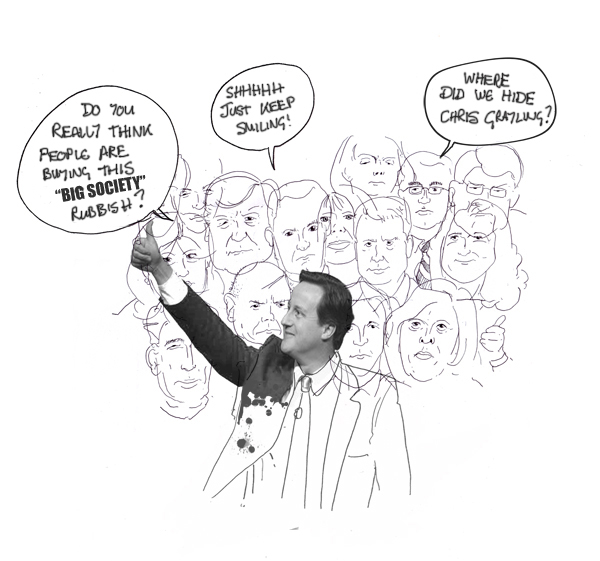
As the clock ticks down to the club effectively being publicly owned, we should ask whether David Cameron has a better grasp of the issues at stake. In spite of the ownership bid from New England Sports Ventures, Robert Peston continues to see control of the club by the Royal Bank of Scotland (RBS) as a live option. RBS, 84 percent publicly owned, could assume ownership on 15 October when loans taken out with them expire.
While it may be that RBS avoids this outcome by finding new owners capable of servicing the debt in the next week, an RBS takeover is close enough that questions must be asked about how they would conduct themselves as custodians of the club. A publicly owned bank taking on such a role raises new issues.
These issues are larger than the club; even than a club as great as Liverpool. They cut to the core of what we want our post credit-crunched country to be.
There is a worry that the practices which contributed to our troubles may be returning to the financial sector. This concern undermines the hope that there may be opportunity in the financial crisis; opportunity to re-evaluate what kind of economy and society we want to be and to recalibrate ourselves accordingly. Read the rest of this entry »